SOUND PATTERNS
A Structural Examination of Tonality, Vocabulary, Texture,
Sonorities, and Time Organization in Western Art Music
by PHILLIP MAGNUSON

COMPOSITION BASICS
MAKING AN ACCOMPANIMENT
A melody all by itself is lonely
Before you begin to write an accompaniment, you should consider the style and mood of the melody you have written. Is it energetic? Is it sad? Whatever it is, the accompaniment needs to support it and reflect it. Some things to consider:
- Select a rhythm which might unify the accompaniment. Using a motive or theme from the melody is a good way to accomplish this.

- Write a bass line that supports the melody, using your pitch vocabulary.
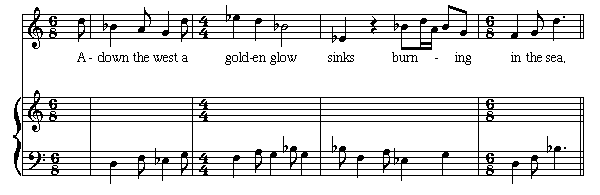
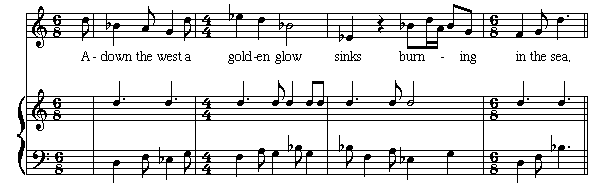
- Add a rhythm above the bass line to begin harmonic support...don't worry about filling out chords yet, but consider the rhythmic effect against your melody and bass line.
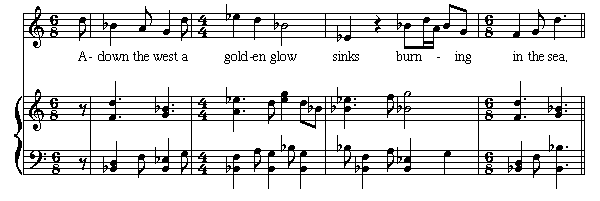
- Fill out harmonies from your pitch vocabulary, using the color of the chords to compliment the text.
- Add framing devices to the accompaniment, such as an introduction, a transition, or a coda. In this case a fragment from the accompaniment (m. 2-3) serves as an introduction.
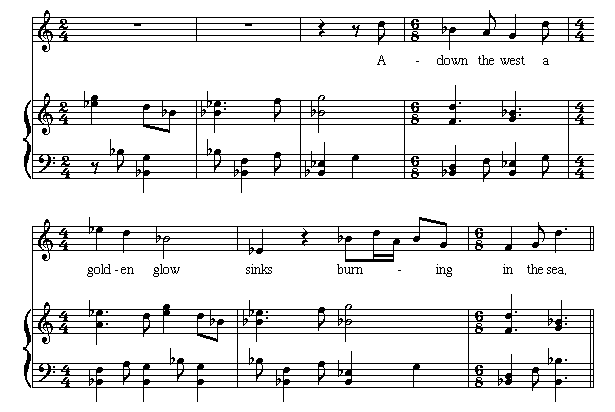
- Consider text-painting here also, to reflect the meaning of the words. Some simple devices can be effective. Notice the piano supports the word "sinks" with lower notes, and continues the "burning" for a longer time. Also at this time you may want to "clean up" a few things...in this case, a few awkward dissonances are changed.
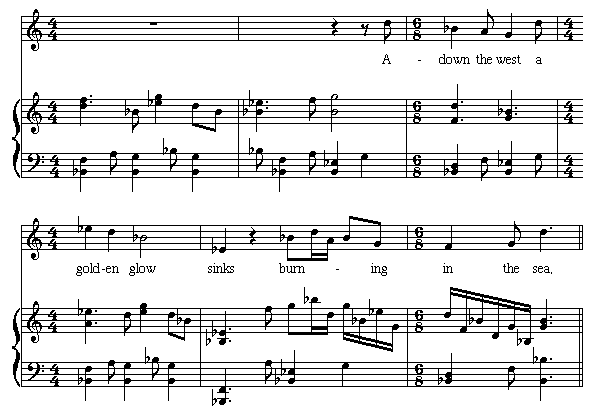
- Don't allow the accompaniment to detract from the melody.
Copyright � 2008-2009 by Phillip Magnuson.
Content on this website is licensed under a Creative Commons License.