Timbre & Articulation
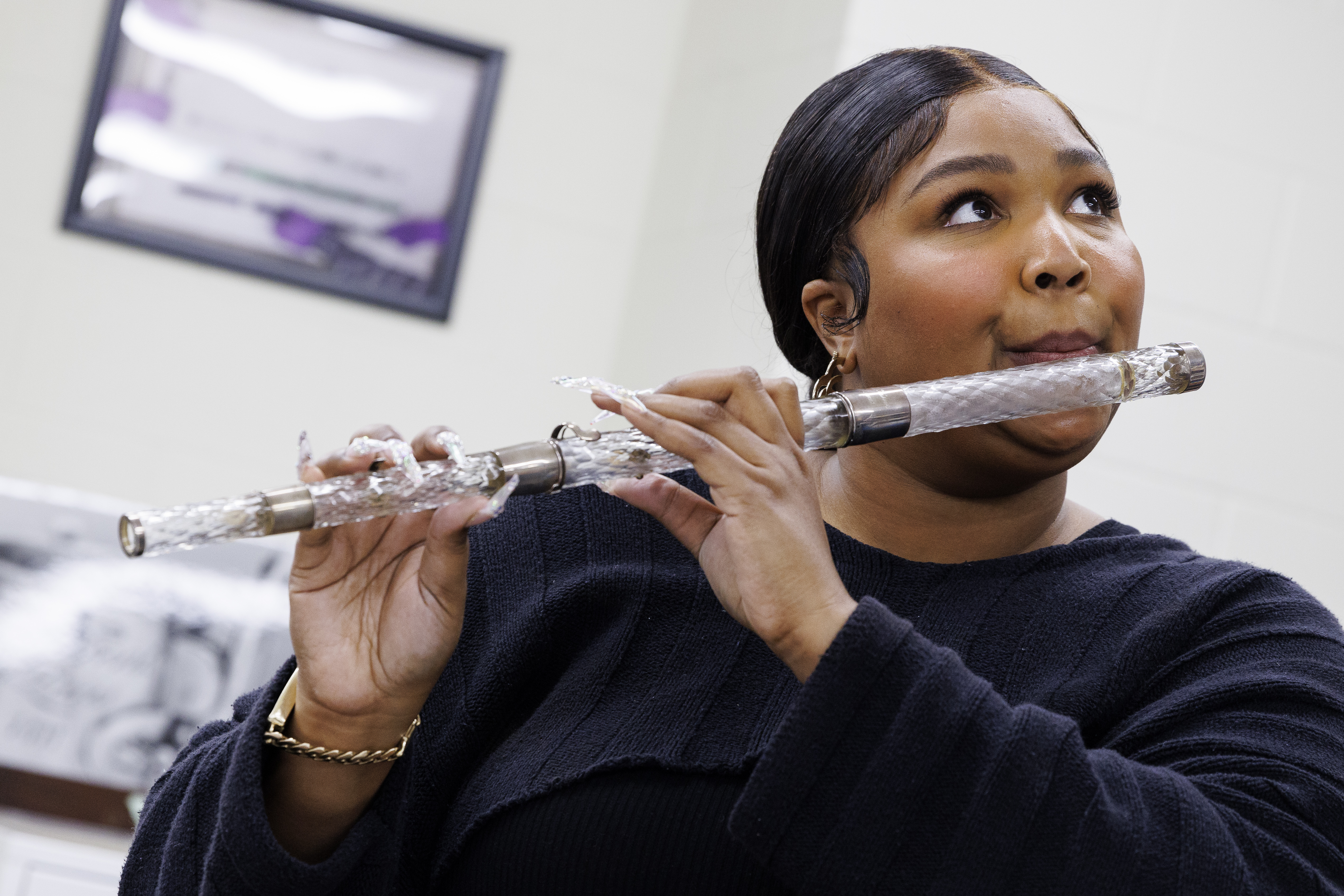
While we often consider pitch and volume to be fundamental characteristics of a note, there are other characteristics that play a large part in musicality and expression.
Timbre
Timbre — a French term, pronounced "TAM-burr" — is a difficult concept to describe, but one that most people easily recognize: it is the characteristic that differs between notes played by different instruments, such as a bassoon and a cello, even if they are playing the same pitch at the same volume. This quality is sometimes also referred to as tone color.
The Harmonic Series
One factor that influences a sound's timbre is the presence and relative strength of different simultaneous frequencies within the sound. When a particular note is played on an instrument, the vibrating medium creates sound waves at that note's frequency, called the fundamental, but also at frequencies which correspond to divisions of the medium's length — at half of the frequency, a third of the frequency, a quarter of the frequency, and so on. These additional pitches are called overtones, and the spectrum of divisions of a particular frequency is called the harmonic series.
The characteristics of an instrument, such as the material from which it is made and the shape of its resonating chamber, cause certain overtone wavelengths to be reinforced and others to be suppressed. The combination of these waveforms often change the shape of the combined waveform in interesting ways which are portrayed through the timbre of the sound produced.
Noise
Another factor influencing timbre is the level of pitch and volume control imposed on particular sound waves. While a trombone can produce a sound for which the pitch and timbre are very strictly controlled, the sound waves produced by a snare drum are much more sporadic and chaotic, producing a fuzzy, unpitched sound. This quality of sound is called noise and is an important timbral characteristic of sounds which are "breathy," warm, or sibilant.
Articulation
The articulation of a sound describes the sound's shape over time. Vocal music and speech is articulated by parts of the mouth: lips, teeth, tongue and throat. Acoustic instruments can articulate notes through various means, including fingering, tonguing, and other methods.
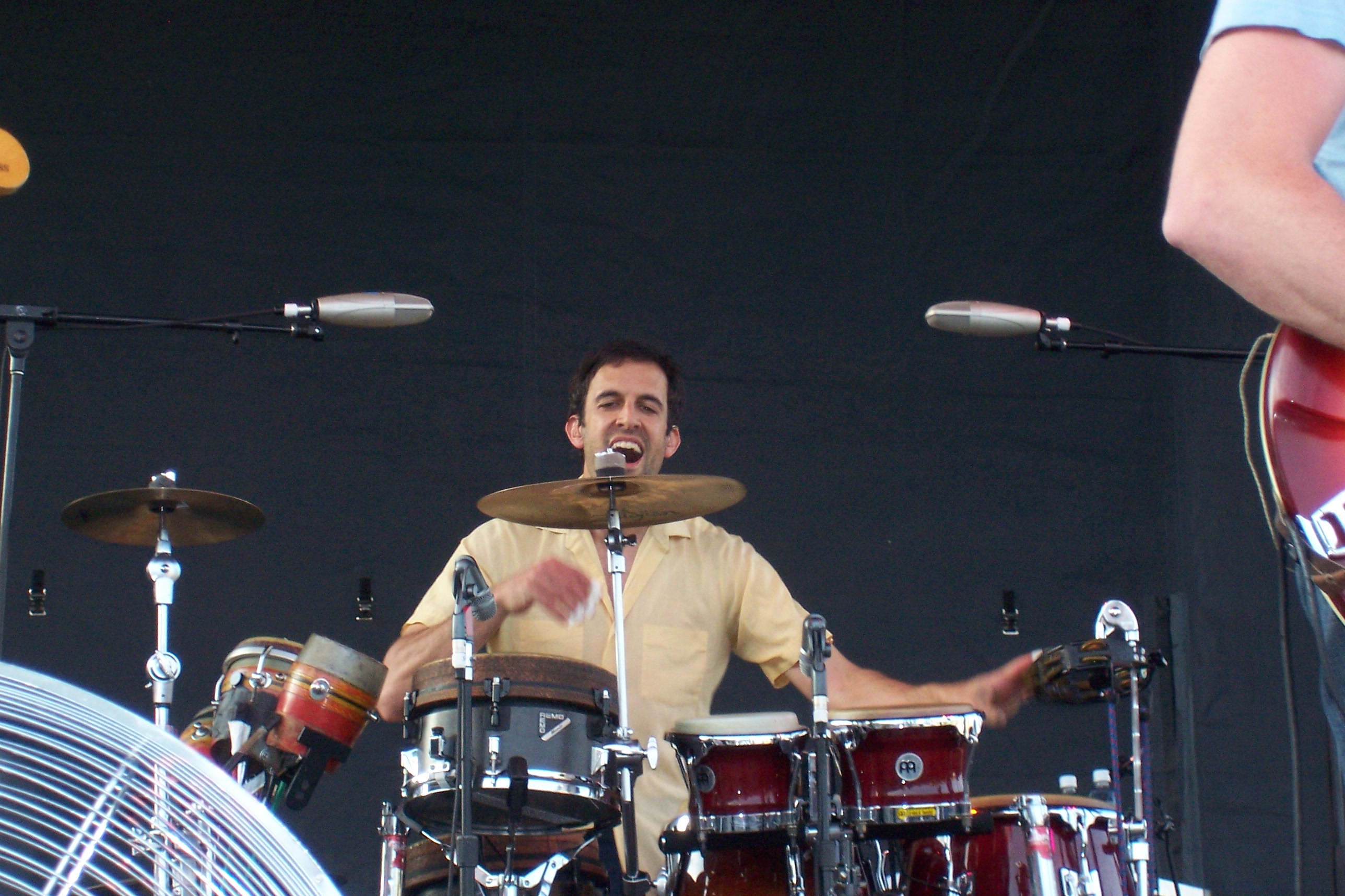
While it is often considered a separate characteristic, articulation is usually a factor of volume, describing how quickly sounds transition to and from silence, and how their volume changes over the duration of the note.
Attack and Release
The speed and force with which a sound begins is referred to as the sound's attack. Some instruments, like marimba, have a very fast and forceful attack, while woodwind instruments like flute and saxophone are capable of slower, gentler attacks.
Similarly, the end of a sound is called the sound's release. Pipe organs have an immediate, sudden release, where the sound immediately ceases when the key is lifted. Gongs and cymbals tend to have long releases, requiring players to deliberately stop the sound by dampening the instrument with their hands.
Sound Shaping
Articulation also describes the ways which musicians shape the middle part of a sound. Accented notes are performed with an additional burst of volume at the beginning of the sound which quickly decreases to a sustained level. Longer notes are often shaped expressively with crescendos and diminuendos that help give music a sense of feeling and forward movement.
Wind players and string players usually shape notes with vibrato, a slight, cyclic variation of pitch that gives the sound a feeling of movement and vitality.
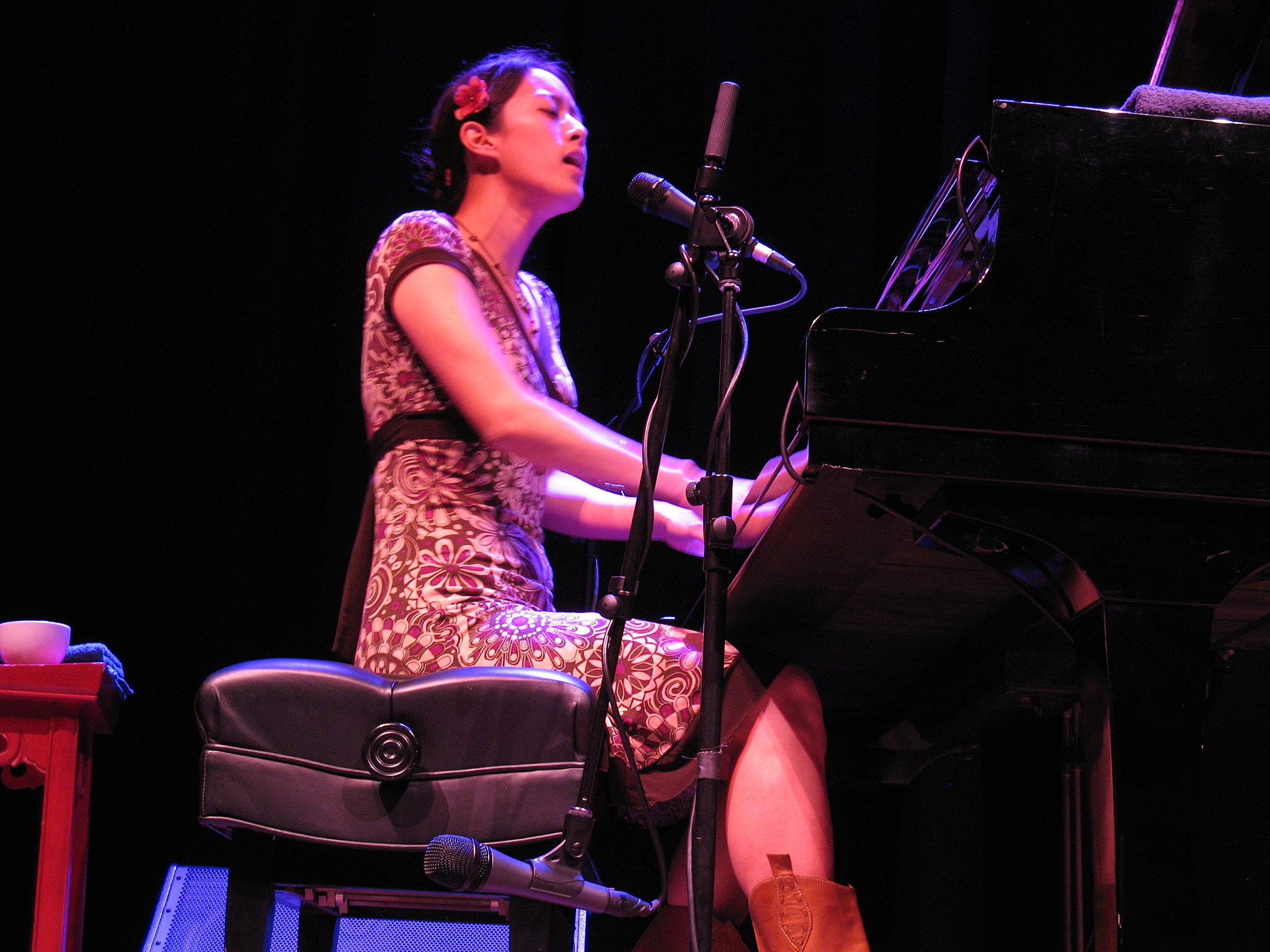
Timbre & Articulation: Summary
- Timbre is the characteristic of sound that varies among different instruments, and is often also called tone color.
- Timbre can be affected by the presence of specific overtones: frequencies which are multiples of a given pitch's frequency.
- The spectrum of divisions of a particular frequency is called the harmonic series.
- Timbre can be affected by the presence of noise, sounds which result from uncontrolled, random sound waves.
- Articulation refers to how a sound's volume changes over a short period of time, often referred to as the sound's shape.
- Instruments can articulate sounds through fingering, tonguing and other methods.
- The speed and force with which a sound begins is called the sound's attack.
- The speed at which a sound stops or fades is called the sound's release.
- In addition to the beginning and ending of a sound, a held sound can change in volume as in crescendos and diminuendos, or waver slightly as in vibrato.