Drum Machines

A drum machine is a hardware unit or software application which allows the composer to create and perform percussion tracks automatically. While sometimes seen as an example of technology replacing human musicians, drum machines hold an important place in musical culture and can be an effective tool used alongside acoustic performance.
Rhythm Generators
Early examples of automatic percussion instruments were rhythm generators, primitive devices which could create simple rhythms with very little customization.
One of the first of these devices was the rhythmicon, a machine designed by Russian inventor Leon Theremin, which used optical sensors to read a spinning disc to create simple polyrhythms with short tones of varying pitches.
The first commercially available rhythm generator was the Wurlitzer Side Man, which used an arm swept across circular patterns of electrical contacts as a sequencer for synthesized drum sounds. The performer was able to select from several preset drum patterns and adjust the tempo.
Later rhythm generators were available as more portable units, but were still limited to playing present drum patterns. Their professional use was sporadic and mostly by experimental musicians, like British psychedelic groups like Pink Floyd and American trumpeter and composer Miles Davis.
Programmable Drum Machines
In the late twentieth century, drum machines began featuring two important developments: the replacement of synthesized drum sounds with digital samples, and the ability to program the device to play unique and changing drum beats. One of the first popular units of this type was the Linn LM-1 Drum Computer, which was used on many pop albums of the 1980s.
Step-sequencing
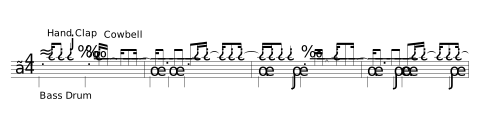
Most drum machines allowed the user to program customized beats using a sequencer interface; this usually involved sixteen buttons, each representing a sixteenth note in a 4/4 measure, with which the user could specify when a particular drum sound would play. The process of turning sounds on or off for specific beats is called step-sequencing.
Software drum machines often make use of an easier-to-use interface for step-sequencing, showing a grid of buttons to display all instrument patterns at once. They will also often display a cursor, showing the current notes being played, allowing patterns to be built or edited during playback.
Roland TR-808
In 1980, in response to the Linn LM-1, which was prohibitively expensive for most musicians, the Japanese manufacturer Roland released a low-cost programmable drum machine, the TR-808 Rhythm Composer. While it matched the LM-1's programming capability, the TR-808 used synthesized drums instead of digital samples. Because customers found the synthesized sounds unrealistic, the unit was a commercial failure.

However, second-hand TR-808s became very popular among independent musicians, specifically those in live performance genres like dance and hip hop. As a result, the unique, electronic sounds of the TR-808 became a common sound, especially in genres like R&B and pop.
Digital Audio Workstations
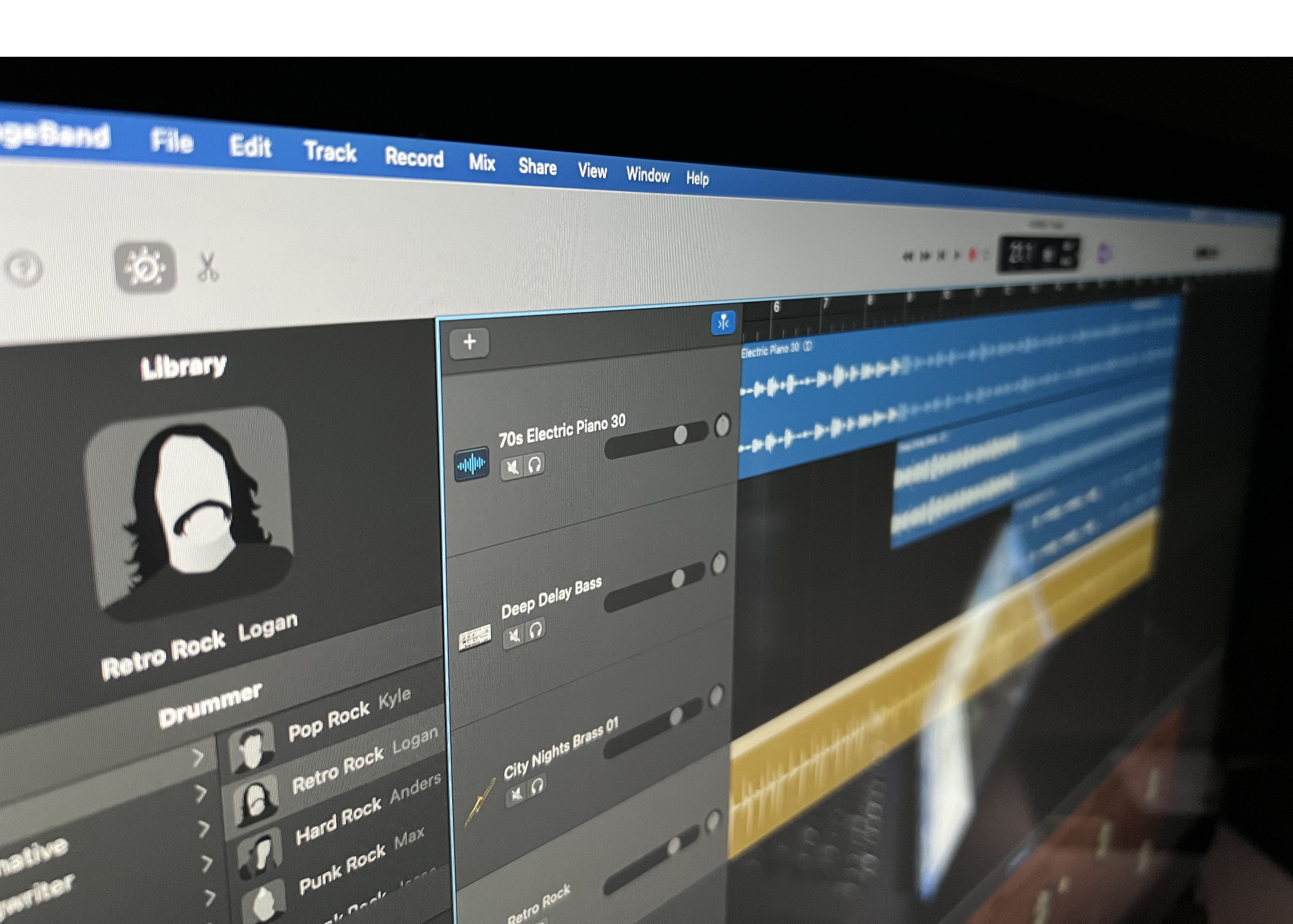
Most DAWs incorporate some level of drum machine functionality. Software synthesizers generally include drum kit "instruments", in which different drum sounds are assigned to each pitch, allowing users to create drum tracks using a standard sequencer. Modern DAWs provide a drum machine interface that can be used to create this same effect.
Some DAWs feature automatic drum kit design, which make use of artificial intelligence to dynamically generate drum beats which can be adjusted for genre and preference, and which can even adapt to specific musical circumstances.
Drum Machines: Summary
- A drum machine is an electronic musical instrument which performs drum beats and other percussion tracks.
- Modern drum machines were predated by rhythm generators, which allowed the use to choose from preset drum beats.
- Rhythm generators were not widely popular in recorded music, but were used by some experimental artists.
- In the 1980s, programmable drum machines became available, allowing musicians to design unique drum beats.
- Units like the Linn LM-1 Drum Computer were popular, and were commonly used on well-known commercial albums.
- Programmable drum machines had interfaces that allowed the user to construct beats somewhat graphically, a process called step sequencing.
- Software drum machines featured even easier and more detailed interfaces for designing beats.
- The Roland TR-808 was a low-cost analog drum machine that was initially a commercial failure, but because widely popular on the used market among independent musicians.
- The TR-808's popularity in local music scenes, specifically in R&B and hip hop, the unit later became popular among more successful artists.
- Drum machine functionality is commonly found in DAWs.
- Some DAWs use artificial intelligence to create dynamic drum accompaniments automatically.