Genre

The term genre is used in many different ways, but generally refers to a group of musical works which share a set of agreed-upon conventions. The classification and organization of music can occur in many different ways, and while the process can yield very useful results, it can pose significant challenges for musicians and listeners alike.
Methods of Classification
Genre can be identified by many different types of parameters, and often several at once.
Location
One simple method of identifying a piece of music is to identify the place in which it was written. Local trends can exhibit themselves in musical culture, such as the spread of rap and turntablism in the New York City borough of The Bronx in the early 1970s. Music can have special significance to a certain culture, which is often tied to a specific area. For example, bozlak is a particular genre of sorrowful music that is unique to the Central Anatolia region of Turkey and which is tied closely to the culture and history of that region.
Time Period
A study of music history will often reveal large-scale trends which peak in popularity at a particular time. One such classification divides music into decades- or centuries-long eras:
| Musical Era | Time Period |
|---|---|
| Ancient Era | Prehistory – 476 CE |
| Medieval Era | 476 CE – 1400 CE |
| Renaissance Era | 1400 CE – 1600 CE |
| Baroque Era | 1600 CE – 1750 CE |
| Classical era | 1750 CE – 1820 CE |
| Romantic Era | 1820 CE – 1900 CE |
These labels are generally considered to be problematic because they imply that all music of a particular time period followed the same compositional practice. In actuality, they refer only to the music of the aristocratic culture in Europe and North America, and not the many other musical cultures that thrived during those time periods. While commonly used by music theorists and musicologists, these terms should be understood as specific localized genres rather than global time periods.
Instrumentation
Music can be classified by how many and what kinds of instruments and/or voices are being used to create it.
Group Size
The number of musicians performing a piece is sometimes used as a means of classification:
- Solo music is music performed by a single person. It is also used to describe music where one person is singing or playing an instrument while being accompanied by another person on an instrument like piano or guitar.
- Chamber music is music performed by a small group of musicians, generally from two to around ten.
- Ensemble music or large ensemble music is music performed by a larger group of musicians.
Other than solo music, these categories are generally used only for classical music; rock music is rarely considered chamber music, despite meeting the requirements.
Instrument Type
Instrumentation is one of the most common methods of defining the genre of a piece. Music written for standard performing ensembles is often categorized together:
- Orchestral music is written for a symphony orchestra, consisting of string instruments, woodwinds, brass and percussion.
- String Orchestra music is written for a string orchestra, consisting only of bowed string instruments (violins, violas, cellos and basses).
- Concert Band music is written for woodwinds, brass and percussion, often with a standard instrumentation that matches most American academic bands.
- Wind Ensemble music is written for woodwinds, brass and percussion, but usually with a more flexible instrumentation than concert bands.
- Jazz Band music or Big Band music is written for a standard instrumentation of five trumpets, five trombones, five saxophones who may double on flute or clarinet, and a rhythm section consisting of piano, bass, guitar and drum set.
- Jazz Combo music is written for a smaller group of jazz musicians, often a mix of two to four brass and woodwind players, and a standard rhythm section.
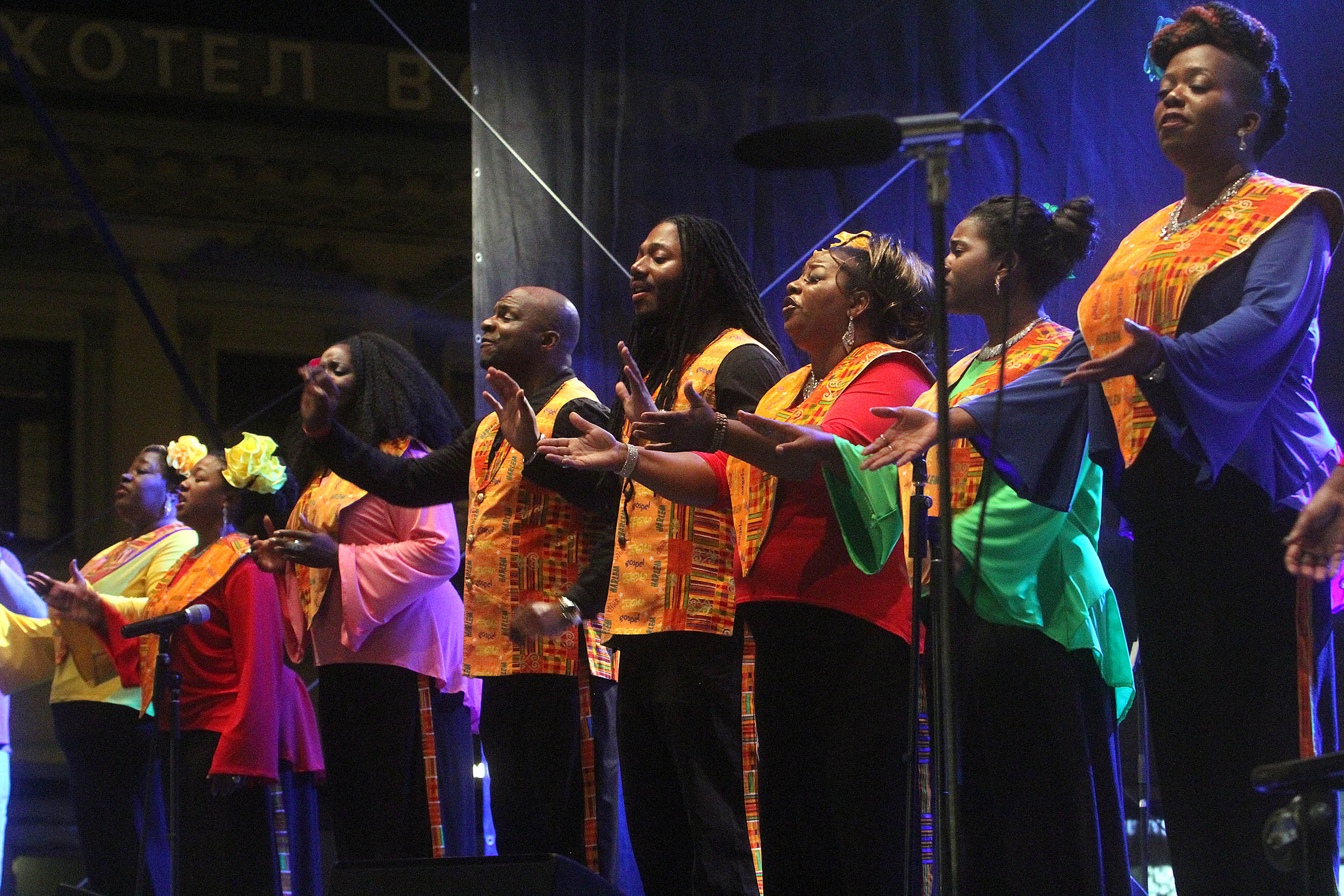
- Choral music is written for a large group of singers, often grouped into four voice parts (soprano, alto, tenor and bass).
- Women's Choir music is written for female voices, often grouped into three or four parts.
- Men's Choir music is written for male voices, often grouped into three or four parts.
- Acapella music is written for a smaller group of singers, with one or more beatboxers.
- Most Popular music is written for a primary vocalist accompanied by one or more instruments, and often a band comprised of guitars, keyboards, bass and drum set


Instrumentation can help determine genre in more granular ways as well. Historical genres can be identified by use of period instruments, such as recorders and harpsichords in Renaissance and Baroque music. New wave and chiptune are genres characterized by reliance on particular types of synthesizers.
Musical Technique
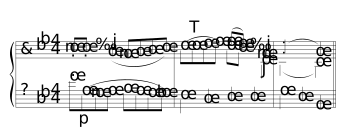
Certain compositional or performance techniques can help determine membership in a particular genre. Music in the galant style of Wolfgang Amadeus Mozart or Franz Joseph Haydn, for example, favored the use of accented suspensions in cadences.
Vocal technique is a common determiner of genre. Many subgenres of metal feature screaming and growling as part of vocal delivery. Beatboxing is a consistent feature of acapella. Music of the Second Viennese School often featured sprechstimme, and the use of neutral syllables and filler words among performers of SoundCloud rap led to the musical style being given the derogatory term "mumble rap."
Subject Matter
Some song genres are defined primarily by the subject matter of lyrics. CCM or Contemporary Christian Music is characterized by lyrics which promote Christian worship, though the music itself spans a wide variety of popular genres, including rock, metal and rap.
Venue
In some cases, genre is based on where or how the music is generally heard. Musical Theatre as a genre comprises music from productions of many different time periods, styles and genres, as does music for film and television. EDM is music written for dance clubs, and features musical techniques designed specifically for that purpose.
Combined Characteristics
Genres can be defined as having characteristics in multiple categories. For example, modern country music usually focuses on subjects related to rural American working-class culture, often includes lyrics sung with a drawl, and features instruments such as the fiddle and pedal steel guitar.
Problems with Genre
While categorizing music can be very useful, it is important to understand some of the drawbacks inherent in the process.
Labels
Labelling particular genres can be challenging, and may even expose larger problems with how the genre is defined. Music theorists and musicologists often delineate a particular type of music which has traditionally been considered the standard repertoire of professional orchestras, choirs and chamber groups, but finding an appropriate label for this music can be problematic, and highlights how this genre is often drawn along socioeconomic and racial lines.
| Label | Problems |
|---|---|
| "Classical Music" | Often used in contrast with popular music, but causes confusion with music of the Classical Era |
| "Common Practice Period" | Implies other periods of consistent musical practice are less important |
| "Art Music" | Implies other types of music are not artistic |
| "Western Music" | Inexact and inaccurate — most of Europe lies east of the Prime Meridian, western locations like Central and South America are often not included |
| "Academic Music" | Implies that other music is not worthy of academic study |
This same problem can be seen when discussing other broad categories of music — the term "popular music" is often used to represent a large group of genres which includes rock, folk, country, metal, rap, and others; or it sometimes used to denote rock and pop music as separate from country, metal and sometimes rap. Similarly, the term "world music" is sometimes used to include any music which does not fit into the broad "classical" and "popular" categories.
"Pigeonholing"
Though music theorists and musicologists find it helpful to categorize music as a means of comparison and analysis, composers and songwriters often resist the idea of having their work assigned to a particular genre. When writing a piece of music, a composer usually aims to create something that will stand apart from other works, and will often deliberately challenge genre norms as a means of doing so.
Emphasizing genre can also be detrimental to analysis, especially when genres are based on extramusical elements such as venue or subject matter, as it may prevent works from being associated with or weighted against works with similar characteristics.
Modern Use of Genre
The concept of genre has been a mainstay in the music business since the advent of recorded music.
Broadcasting and Retail
Genre is used most prevalently as a tool for consumers to explore new music. In record stores, both physical and online, music is usually arranged by genre to allow customers to quickly narrow their search to music that aligns with their tastes.
Throughout the twentieth century, a very common source for music consumption has been AM and FM radio stations, who broadcast music throughout the day programmed by disc jockeys. Individual stations almost always center upon markets defined by broad genres — soft rock, pop rock, hard rock, and country are some of the most common choices. Classical stations — which focus on Baroque, Classical and Romantic genres —are also common.
Streaming Services
Genre plays a large part in algorithms designed to suggest new music based on listening habits. Streaming services like Spotify, Apple Music and Pandora use data collected from their users to offer suggestions of new music that a particular user might enjoy. This is done by analyzing a user's listening preferences, comparing them with other users who have the same preferences, and suggesting songs other users in that group have shown a preference toward. These algorithms tend to reinforce established genre boundaries, but can also show connections between different genres.
As technology improves, streaming services have also found success in identifying genres based on digital audio analysis. Again, this system relies upon large collections of listener data: if fans of a particular genre favor a particular song, an analysis of the audio might reveal patterns which might lend insight into what those listeners prefer.
Genre Mapping
The data generated by listener preference algorithms, in turn, can provide valuable insight for researchers. In some cases, this even leads to the "discovery" of new genres or subgenres, as large groups of listeners may have similar preferences which are not described by established genres.
Additionally, patterns of genre — whether determined through listener activity or through digital audio analysis — can be used to connect genres with one another, creating larger scale genre maps where genres are arranged according to similarity.

Genre: Summary
- A genre group of musical works which share a set of agreed-upon conventions.
- Genres can be defined by location, time period, instrumentation, technique, subject matter, venue, or other characteristics, or by combinations of different characteristics.
- Classifying music by genre can sometimes be problematic:
- Genre labels can be inaccurate or misleading, and can cause othering of certain musical cultures.
- While theorists and musicologists find value in categorization, musicians usually aim to defy genre norms in order to promote their own work.
- Music retailers and streaming services use genre as a means of organizing music for the benefit of their consumers.
- Streaming services use sophisticated algorithms to suggest music to users based on their listening patterns and those of other users.
- Using listener data, genre maps can be created to graph how genres interrelate.